
The Five Emperors’ Copper Coins Money Tree: A Millennium – Old Symbol of Wealth Culture
In ancient China, emperors were regarded as “Sons of Heaven”, and their reigns were closely linked to national fortune. During the Ming and Qing dynasties, the “Five Emperors’ Coins” specifically refer to the copper coins minted during the reigns of Emperors Shunzhi, Kangxi, Yongzheng, Qianlong, and Jiaqing. At that time, copper coins were not only a medium of circulation but also endowed with the meaning of “receiving good fortune and blessings” by the common people due to the emperors’ aura of “mandate from heaven”. Shunzhi established the foundation of the dynasty, Kangxi expanded the territory, Yongzheng rectified official governance, Qianlong brought about a prosperous era, and Jiaqing maintained the stability. The fortune of these five prosperous reigns was condensed into the small copper coins.
The Evolution of the Money Tree: From Praying for Abundance to Gathering Wealth
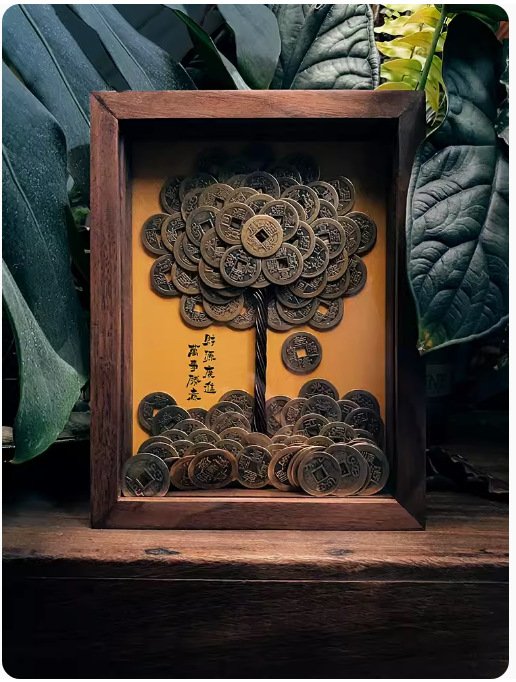
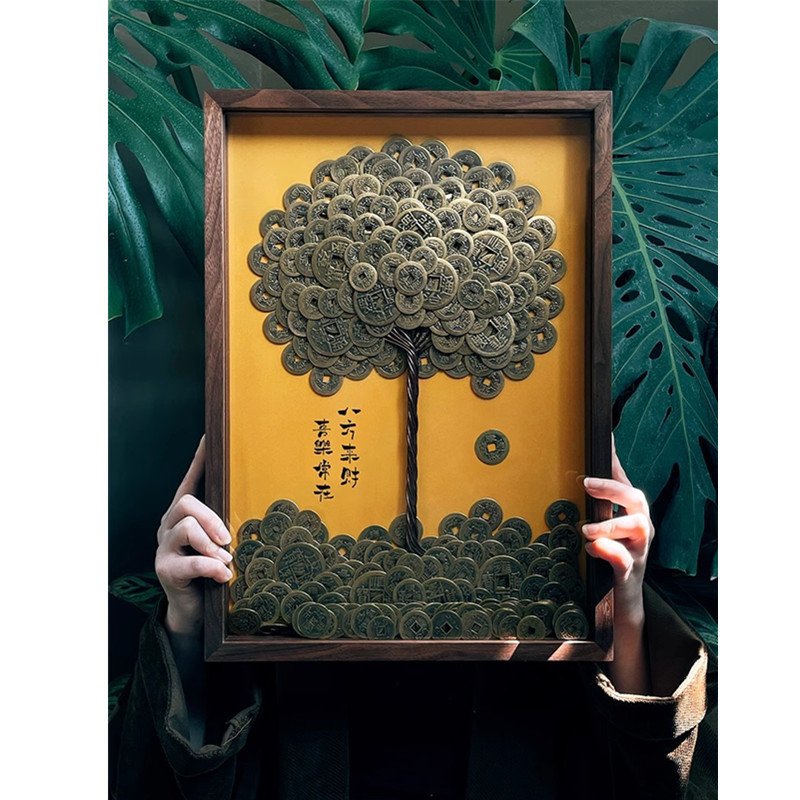
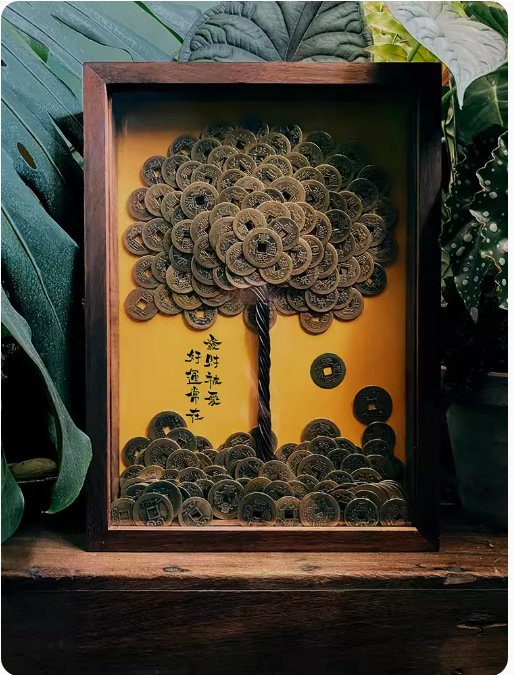
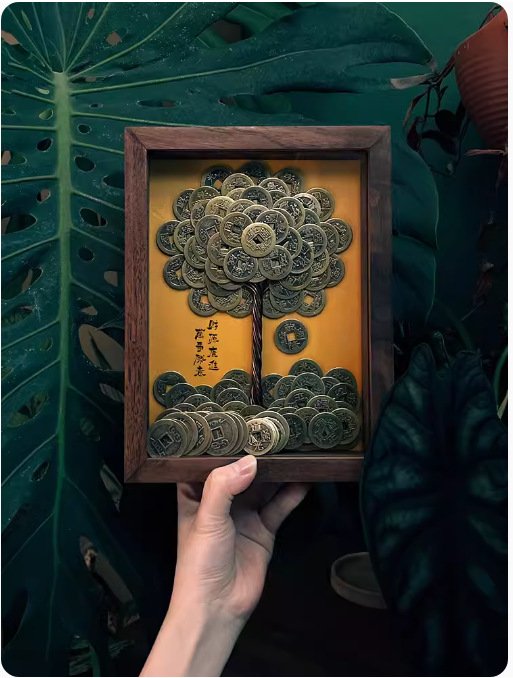
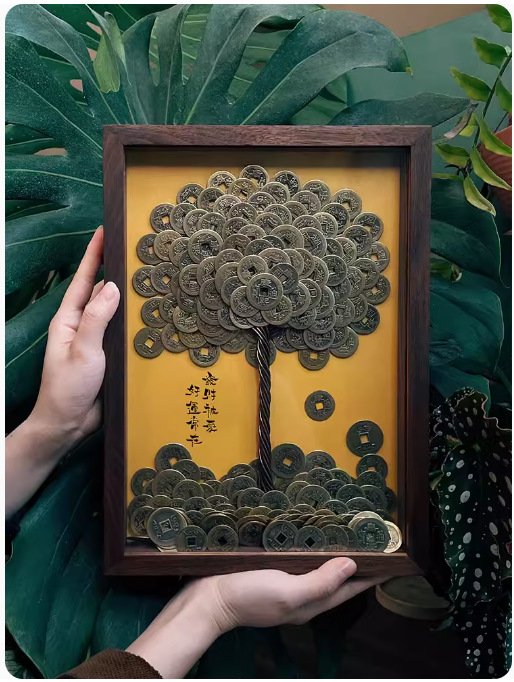
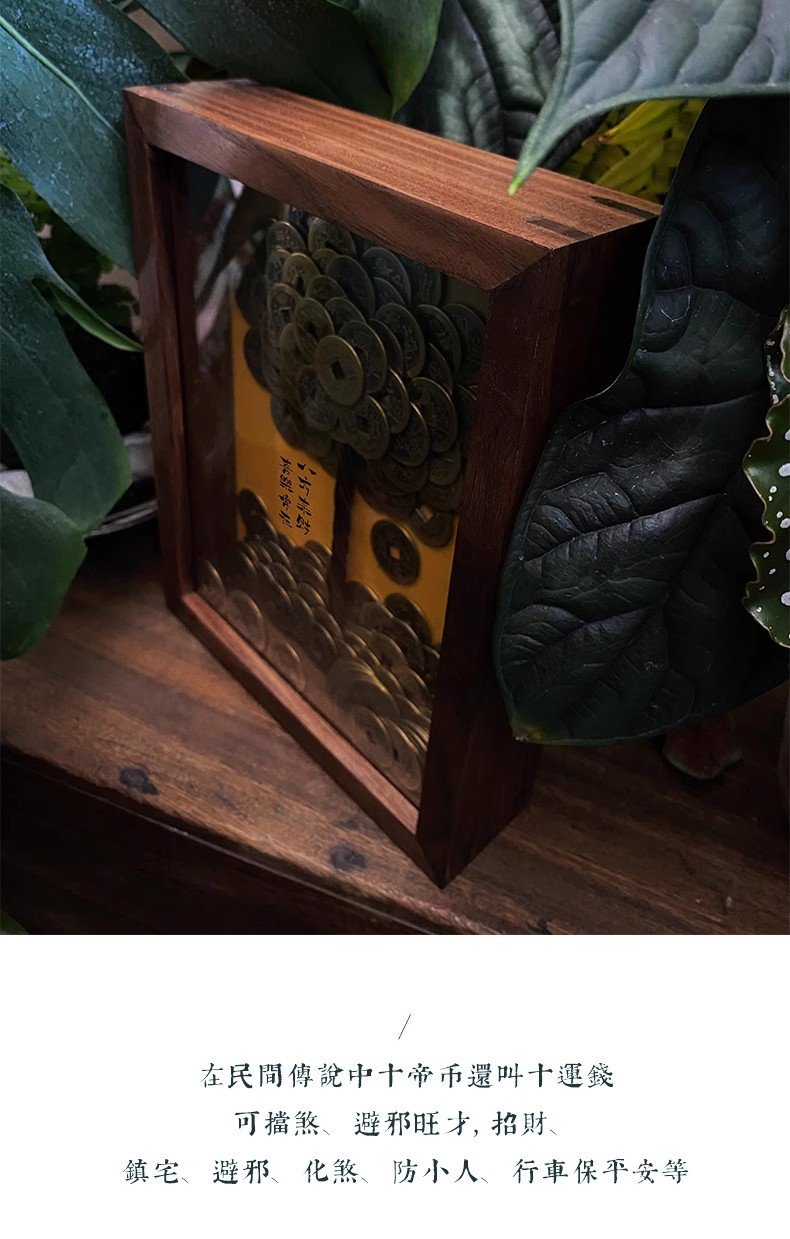
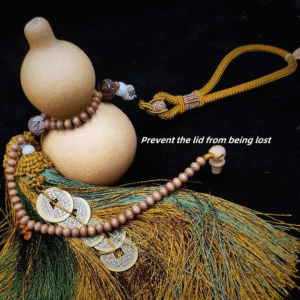
The prototype of the “Money Tree” can be traced back to the bronze statues of the Han Dynasty. The people in the Bashu region used the “tree bearing money” shape to pray for abundant grains and a prosperous life. With the development of commerce, after the Tang Dynasty, the “Money Tree” gradually transformed from a symbol of praying for a good harvest in agriculture to a symbol of accumulating wealth in the market. By the Ming and Qing dynasties, craftsmen combined the Five Emperors’ Coins with the Money Tree, stringing copper coins into a tree shape —— using ancient coins as leaves and metal as branches. It implies “attracting wealth with the emperors’ fortune and accumulating wealth through the circulation of ancient coins”. It not only retains the traditional cultural logic of the unity of “heaven, earth, and people” (the emperor represents heaven, copper coins connect to the earth, and the common people hope for prosperity), but also meets the practical desire for wealth accumulation among merchants and common people.
Cultural Heritage: The Auspicious Meaning of Wealth Appreciated by Both Ancient and Modern People
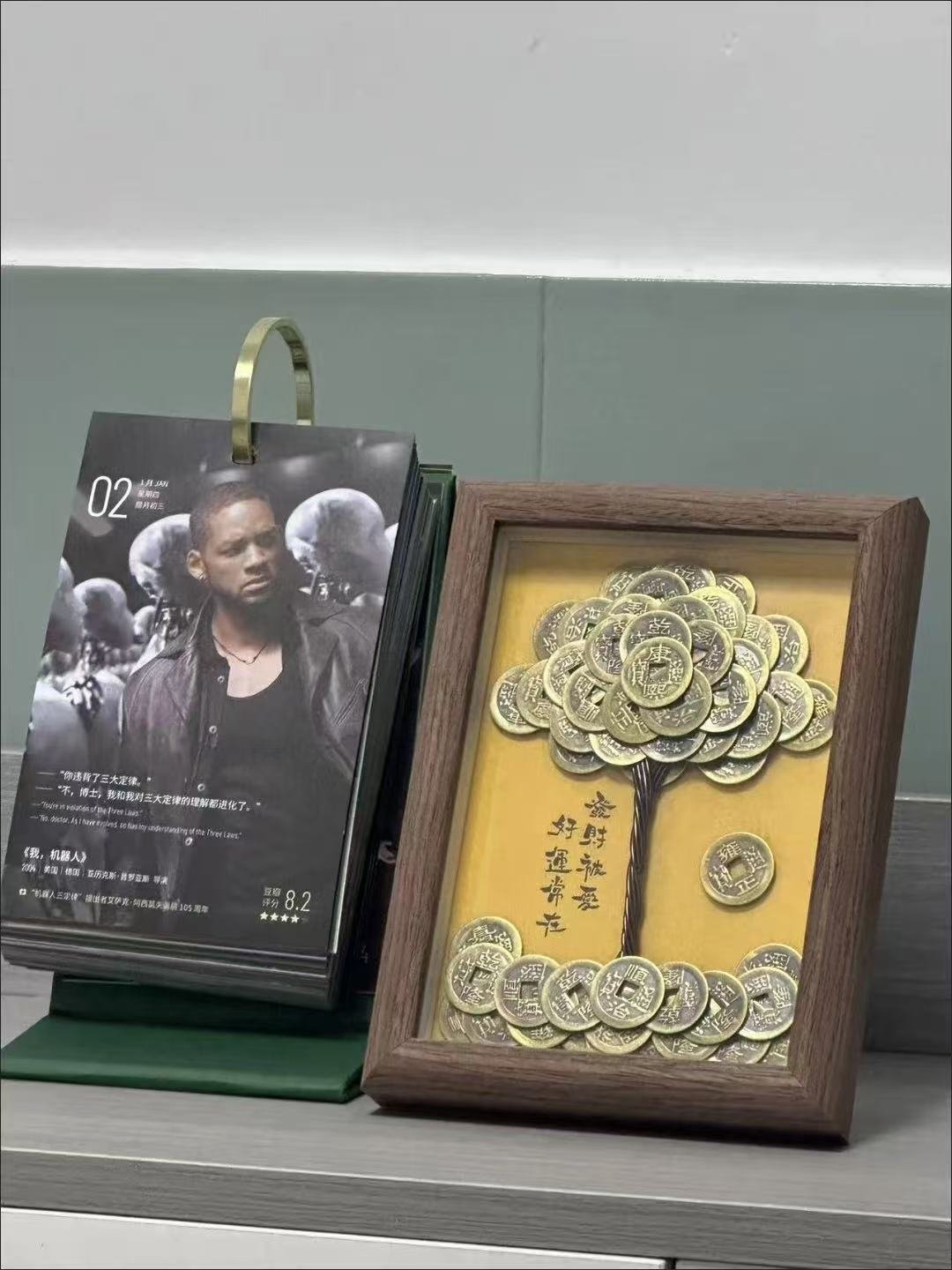
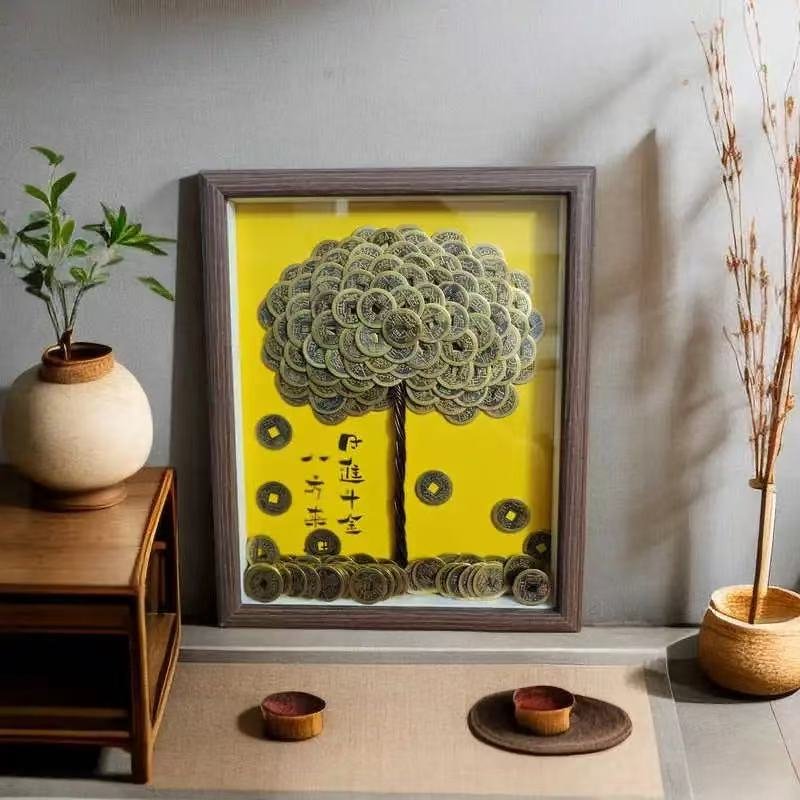
In modern times, the Five Emperors’ Copper Coins Money Tree is no longer just a folk object, but has become a carrier of the integration of traditional culture and aesthetics. Placed in living rooms and wine cabinets at home, it not only decorates the space with the simple texture of copper coins that have endured years and the artistic ingenuity of the tree – shaped installation, but also conveys people’s expectation of “seeking progress steadily and accumulating wealth through goodness” through the cultural symbol of “the five emperors receiving fortune and accumulating wealth”. Just as the ancient people hoped for prosperity by borrowing the emperors’ fortune, modern people use this cultural symbol that spans thousands of years to wish for the prosperity of families and the smooth progress of careers, allowing the wealth wisdom accumulated by history to continue to shine in the new era context.
The Lucky Money Tree: A Story of Prosperity
When Mia opened her small café last spring, her aunt gifted her a delicate decor piece: a “Five Emperors’ Copper Coins Money Tree.” Adorned with antique-style coins from China’s legendary emperors, its branches curled gently atop her wine cabinet, catching the light.
At first, Mia thought it was just charming. But within weeks, regulars started mentioning how the cozy corner with the tree felt “warm and lucky.” A big catering order came in unexpectedly, then a local food blogger featured her shop—all after she’d placed the tree near the register.
Now, months later, the café thrives. Mia swears by her Money Tree, calling it her “prosperity anchor.” Whether as a housewarming gift for a new home or a business opening present, this symbolic decor doesn’t just beautify spaces—it’s said to attract good fortune, turning ordinary moments into opportunities for growth and success.

Reviews
There are no reviews yet.